
Fuel Leak Detection vs Traditional Methods:Which One is Right for Your Needs?
- Fuel leaks pose a significant threat to both the environment and safety of operations across numerous industries.
- Traditional methods of detection have long been employed to tackle this issue, but with advancements in technology,
- modern fuel leak detection systems have emerged. How do these compare, and most importantly,
- which method is right for your specific needs? This article aims to provide some insights.
I. Traditional Methods of Fuel Leak Detection
- Traditionally, fuel leak detection has relied heavily on human senses and judgment.
- Two common practices have been visual inspections and manual monitoring.
- Visual inspections involve a person physically examining the site for signs of leakage, such as puddles or staining.
- Manual monitoring, on the other hand, requires regular checks on fuel levels to identify any unexplained reductions, which may signify a leak.
- While these methods can be effective, they come with limitations. Human errors are inherent in these methods due to factors such as fatigue,
- distraction, or lack of training. Additionally, small leaks might go unnoticed in visual inspections,
- it may take a considerable amount of time before a leak is detected through manual monitoring.
- These methods also lack the ability to precisely locate leaks, making the rectification process potentially time-consuming and costly.
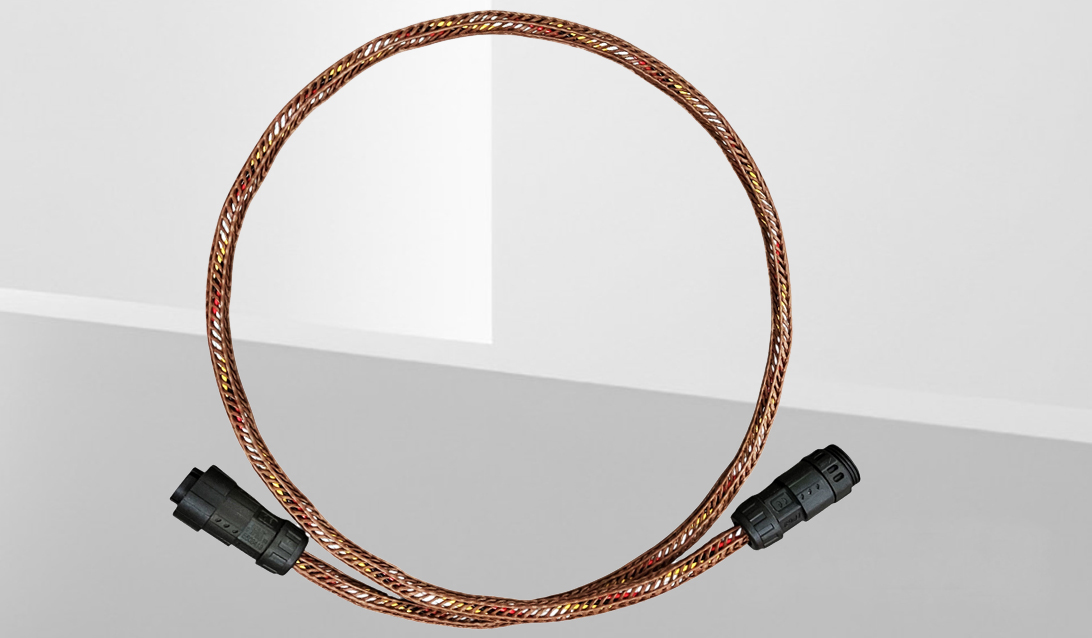
Fuel Oil Leak Cable
II. Fuel Leak Detection Technology
- In contrast, modern fuel leak detection technology employs sophisticated methods to detect and pinpoint leaks.
- Technologies such as acoustic sensing, infrared imaging,and fiber-optic cable systems can identify leaks with impressive precision and speed.
- Acoustic sensors can ‘listen’ for the distinctive sound that pressurized fuel makes when it escapes from a pipeline.
- Infrared cameras can detect changes in temperature that indicate a leak. Fiber-optic cable systems can monitor
- changes in temperature, pressure, and acoustics along pipelines, providing real-time data on possible leaks.
- The primary advantage of these technologies over traditional methods is their accuracy and efficiency.
- They can detect leaks much faster and with greater precision, thereby reducing the time and cost associated
- with rectifying leaks. They also provide a significant safety benefit by minimizing human exposure to potentially hazardous situations.
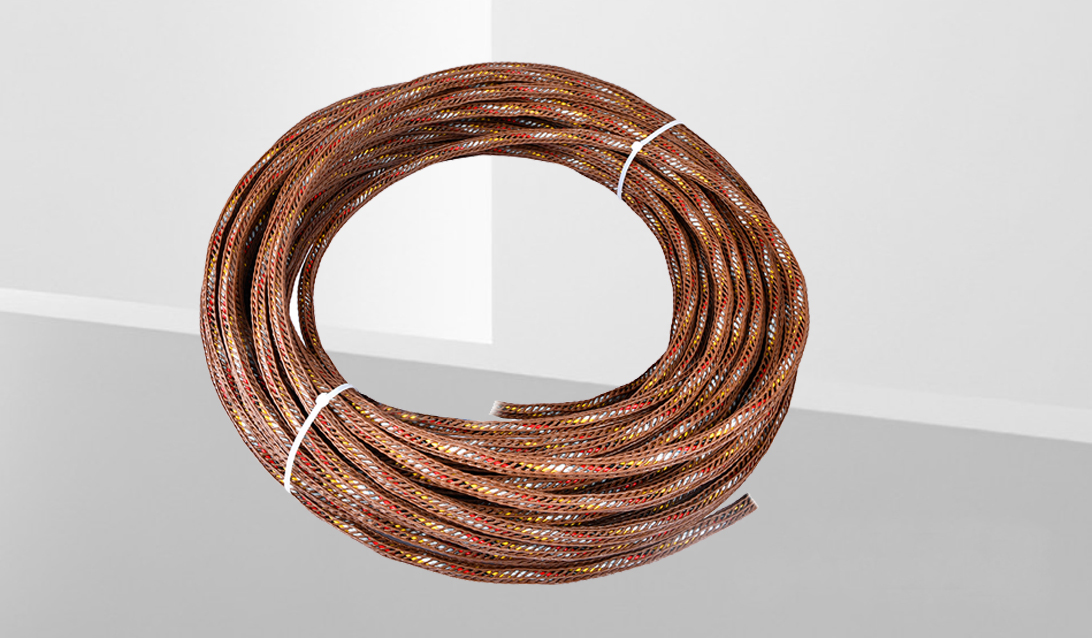
Fuel Sensing Cable
III. Choosing the Right Approach
- Selecting the right approach for fuel leak detection depends on a variety of factors.
- The cost of implementing modern detection technology can be higher than traditional methods, making budget a key consideration.
- However, it’s important to weigh this against the potential costs of undetected leaks,
- including environmental damage, regulatory fines, and damage to reputation.
- The industry in which you operate may also impact your choice. For example, industries that handle
- large volumes of fuel, or where leaks could pose a significant safety risk, might benefit more from modern technology.
- Lastly, consider the level of precision needed. If precise leak location is crucial, or if leaks must be
- detected quickly to minimize impact, modern technology may be the best choice.
Conclusion
- In conclusion, while traditional methods of fuel leak detection have their place, modern fuel leak detection technologies
- offer significant advantages in terms of accuracy, efficiency, and safety.
- The right approach depends on your unique needs and circumstances. By considering factors such as budget, industry,
- and precision requirements, you can make an informed decision that best serves your fuel leak detection needs.
- Remember, an effective fuel leak detection system is not just an investment in operational efficiency,
- but also in safety, environmental stewardship, and peace of mind.
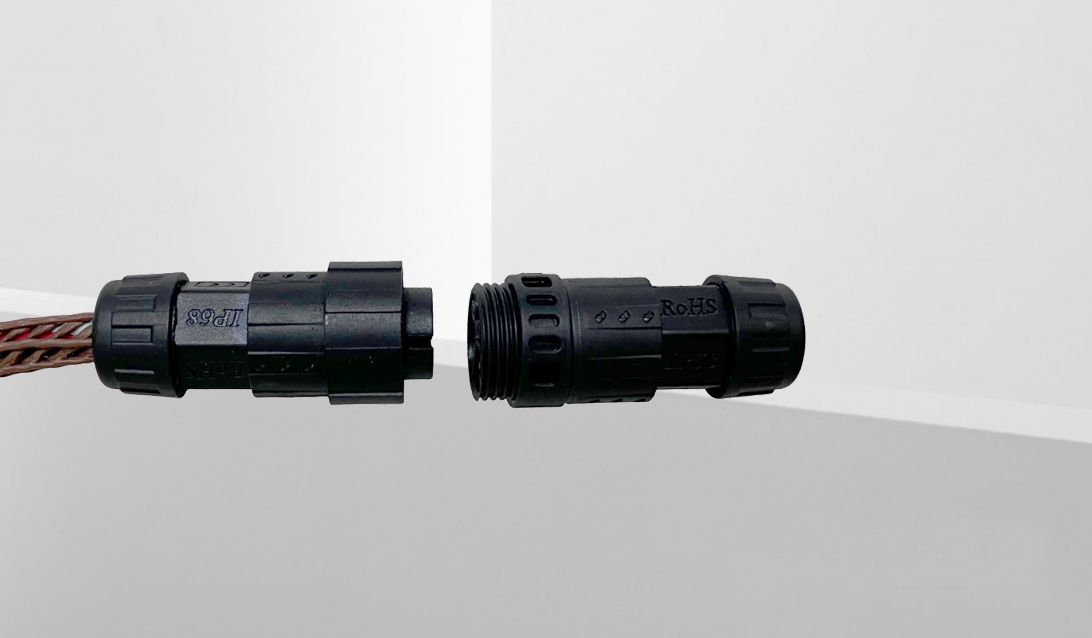
Diesel Fuel Leak Detection